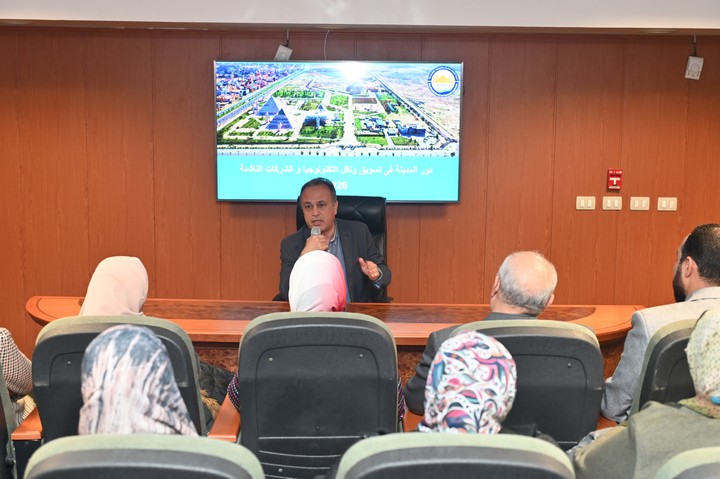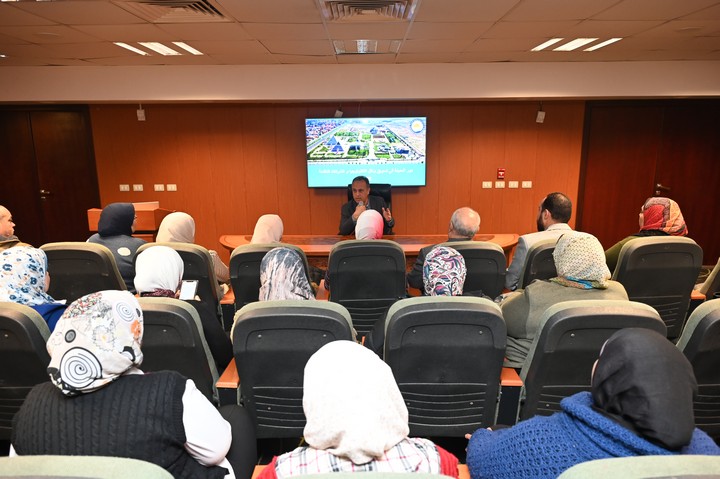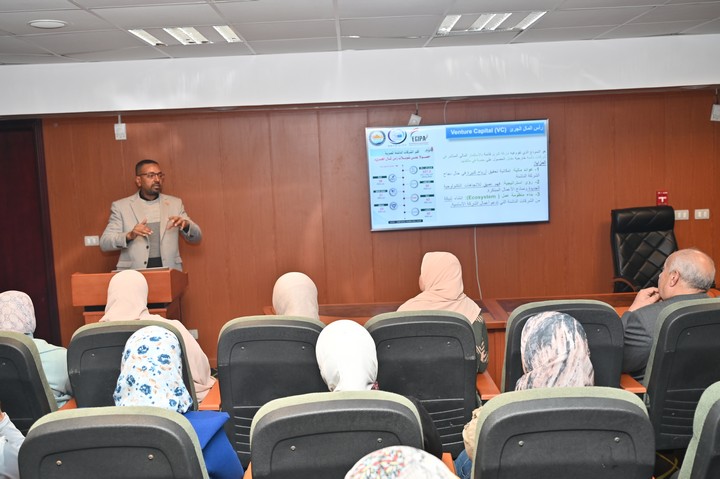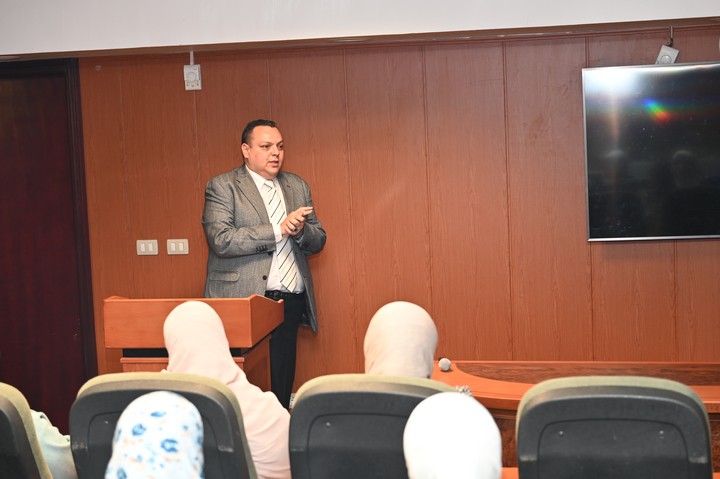

Under the auspices of Professor Dr. Mohamed Rashad Abdel Fattah, Acting Director of the City of Scientific Research and Technological Applications, the City organized a workshop entitled "The City's Role in Transferring and Marketing Technology and Innovation and Supporting Startups through the Egyptian Research Network." The workshop was held at the City's headquarters in New Borg El Arab City on Monday, February 9, 2026, with the participation of deans of research institutes and a number of research staff and their assistants. The workshop aimed to review mechanisms for transforming innovation into tangible economic returns.
In his opening remarks, Professor Dr. Mohamed Rashad Abdel Fattah emphasized that this workshop is an implementation of the state's strategy to link scientific research with industry and part of the City's endeavor to become a regional innovation hub. He stressed that the City does not stop at international publication but strives to localize technology by creating a secure pathway for innovators, starting from the laboratory and ending with the job market. The City provides an incubator environment for innovators and startups, enabling them to compete locally and internationally, thus contributing to strengthening the knowledge-based economy. He added that the City dedicates all its resources to providing technical and legal support. To protect intellectual property, ensuring that patents are transformed into startups, he emphasized the need for such events to continue informing young researchers about their rights to market their scientific output and how to benefit from the facilities offered by the state and the city.
For his part, Professor Dr. Amr Salah Morsi, Dean of the Arid Lands Agriculture Research Institute and Executive Director of the Entrepreneurship Club in the city, reviewed the roadmap for transforming scientific research into a commercial product by understanding the language of the market to bridge the gap between scientific research and industry. He explained that our role today is to train researchers on how to present their innovation as a solution to an existing industrial problem, and to act as a platform to reach investors with an ambitious vision to enhance the knowledge economy. He also emphasized that protecting intellectual property is the cornerstone of ensuring the competitiveness of innovation, highlighting the 'Protect' initiative of the Innovators and Genius Fund (ISF). This initiative represents a strategic arm specifically designed to support the drafting and registration of patents locally and internationally, with the aim of transforming promising ideas into economic entities and products with real market value. He also touched on the exceptional event of Egypt launching the "Startup Charter," which is the result of a genuine partnership with the entrepreneurship community through the "Ministerial Group for Entrepreneurship." It aims to unify policies and create a stimulating environment that maximizes the economic impact of startups. The workshop's main themes focused on a number of key points aimed at bridging the gap between research and the market, through several lectures:
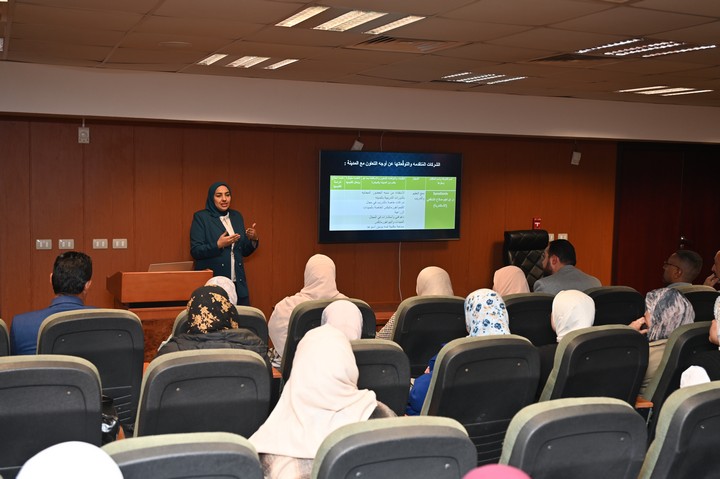
A lecture by Dr. Ayat El-Maghraby, Head of the Egypt Research Network at the City, explained how to leverage networking among research centers to exchange expertise and resources, empowering startups in the field of advanced technology through a range of services offered by the network, and the City's role in supporting startups through the network.
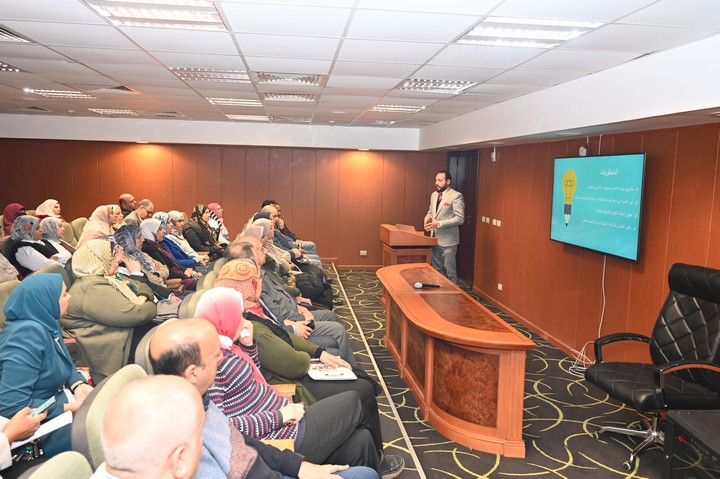
A lecture by Dr. Hussein Ali Gad, Head of Patent Registration and Follow-up at the City, reviewed the City's strategies for protecting intellectual property and marketing patents and intellectual property rights for startups.
A lecture by Mr. Ahmed Qutb, Legal Officer of the City's Entrepreneurship Club, reviewed the legal frameworks governing commercial companies, explaining the different types of companies that suit the nature of research outputs, and how to draft contracts and agreements that ensure the continuity and protection of innovative projects within the commercial market.
Workshop Recommendations:
Strengthening partnerships between the private sector and research centers to ensure that research meets actual market needs.
Expanding the scope of training for researchers in "technological entrepreneurship" skills.
Activating unified digital platforms to showcase marketable innovations through the Egyptian Research Network.